
-

Envíenos un correo electrónico
sale@lscmagnetics.com -

Número de contacto
+86 -13559234186
Envíenos un correo electrónico
sale@lscmagnetics.comNúmero de contacto
+86 -13559234186

Encofrado magnético vs. fijación con tornillos: ¿Qué sistema de encofrado es mejor?
Apr 19, 2026En la producción de componentes de hormigón prefabricado, el método de fijación del encofrado afecta directamente a la eficiencia de la producción, la precisión de los componentes y el coste total. Actualmente, existen dos enfoques técnicos principales en el mercado:Imán de obturación y fijación con tornillos: cada uno tiene sus fieles seguidores. Entonces, ¿qué sistema es más adecuado para su línea de producción?
Principios básicos
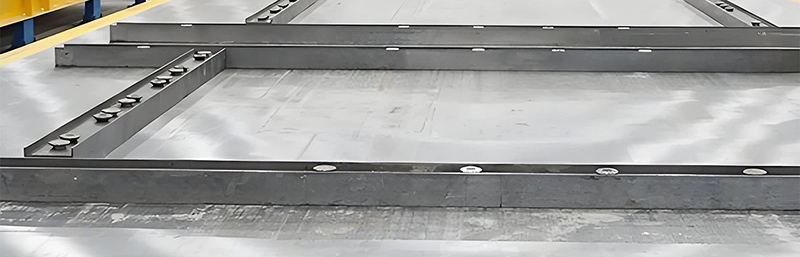
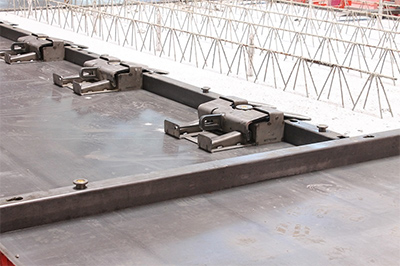
- Imán de encofrado: Gracias a la fuerte atracción magnética generada por materiales de imanes permanentes de alto rendimiento, la plantilla y el encofrado se fijan firmemente a la plataforma de acero del molde. La instalación y extracción son rápidas gracias al control del circuito magnético mediante una manivela mecánica o un mecanismo giratorio.
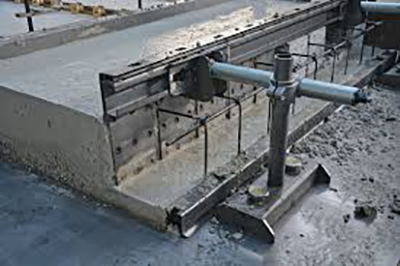
- Fijación con tornillos: Método de fijación mecánica tradicional que utiliza pernos, tuercas, arandelas y otros elementos de sujeción para fijar la plantilla al encofrado (o entre sí). Generalmente, esto requiere perforar previamente agujeros en el encofrado o la plataforma del molde.
Comparación del rendimiento principal
| Dimensiones de comparación | Imán de obturación | Fijación con tornillos |
| Instalación | Velocidad de eliminación: Extremadamente rápida (se completa en segundos). | Relativamente lento (requiere apretar varios tornillos) |
| Dependencia manual | Bajo (puede ser operado por una persona) | Alto (requiere dos personas, exige esfuerzo físico) |
| Control de precisión | Alto (sin huecos, sin holgura) | Medio (propenso a desviaciones debido al desgaste de la rosca o a un apriete flojo) |
| Daños en la mesa por moho | Casi ninguna (sin vacantes) | Sí (el taladrado y roscado frecuentes pueden dañar la mesa del molde). |
| Costo de mantenimiento | Bajo (limpieza regular de virutas metálicas, prevención de la desmagnetización) | Coste relativamente alto (sustitución de tornillos, reparación de roscas) |
| Inversión inicial | Relativamente alto (una sola caja magnética cuesta entre cientos y miles de yuanes). | Bajo (los pernos y otros sujetadores son extremadamente baratos) |
| Escenarios aplicables | Líneas de producción de alto volumen, alta rotación y alta precisión | Componentes de lotes pequeños y formas irregulares, condiciones de inversión restringidas |
1. Velocidad que aumenta la capacidad
En una línea automatizada, cada cambio en las dimensiones de un componente implica reconfigurar el encofrado. Con las cajas magnéticas, un solo operario simplemente gira una manivela: sin herramientas ni complicaciones con tuercas. Esto es de 5 a 10 veces más rápido que el atornillado. Si se cambian los moldes varias veces al día, esos minutos se traducen en un aumento real de la productividad.
El atornillado tradicional sufre de un apriete incorrecto, ya que distintos operarios aplican pares de apriete diferentes y la longitud de las llaves varía. Durante la vibración del hormigón, los pernos pueden aflojarse y el encofrado desplazarse. Las cajas magnéticas proporcionan una fuerza de sujeción estable y uniforme (normalmente de 600 a 1500 kg por caja) que no se debilita con la vibración. El resultado: una mayor consistencia dimensional, especialmente importante para losas compuestas, paneles de pared y cualquier elemento con tolerancias de borde ajustadas.
Su palé de acero es uno de los activos más costosos de la planta. La fijación con tornillos requiere taladrar y roscar cientos de agujeros. Tras un uso repetido, las roscas se desgastan y los agujeros se agrietan, lo que obliga a desechar el palé. Las cajas magnéticas no necesitan ningún agujero: la superficie del palé permanece impecable, lo que prolonga su vida útil entre dos y tres veces.
Los trabajadores ya no tienen que agacharse para apretar decenas de tornillos ni cargar con pesadas llaves inglesas. Las cajas magnéticas son ligeras (normalmente de 5 a 15 kg) y fáciles de manejar. Esto reduce la fatiga y hace que el trabajo sea accesible a un mayor número de trabajadores, una ventaja real cuando la contratación y retención de personal es difícil.
A pesar de todas las ventajas de las cajas magnéticas, la fijación con tornillos no ha desaparecido. He aquí el motivo:
Coste inicial muy bajo: un juego completo de cajas magnéticas puede costar decenas de miles de RMB, mientras que una bolsa de tornillos cuesta solo unos cientos. Para un taller pequeño o para la fundición de vigas in situ, los tornillos son la solución más práctica.
Encofrados irregulares o no estándar: si el encofrado tiene una forma compleja sin una superficie plana de acero a la que pueda sujetarse una caja magnética, los tornillos se pueden colocar exactamente donde sea necesario.
Condiciones de alta temperatura: Algunos imanes permanentes pierden fuerza por encima de los 80 °C. Si fabrica componentes curados al vapor y el control de temperatura no es fiable, la fijación con tornillos es más segura. (No obstante, las cajas magnéticas de buena calidad utilizan imanes de neodimio con una capacidad nominal de 120 °C).
Encofrados no magnéticos: Las cajas magnéticas solo funcionan en superficies ferromagnéticas (acero). Si necesita fijar moldes de madera, aluminio o plástico, no le queda otra opción que usar tornillos.
Para la gran mayoría de las plantas modernas de hormigón prefabricado, la fijación magnética de cajas representa una mejora evidente. Las ventajas en eficiencia, precisión y vida útil de los palets suelen amortizar la inversión en un plazo de 6 a 12 meses, gracias a la reducción de la mano de obra y a una mayor vida útil de los equipos.
Prioriza las cajas magnéticas si produces:
Losas de piso compuestas o paredes de doble piel
Escaleras o losas de balcón prefabricadas
Losas alveolares pretensadas
Cualquier componente estándar de alto volumen y altamente repetitivo.
Utilice la fijación con tornillos únicamente en estos casos especiales:
Producción anual inferior a 5.000 m³ (taller pequeño)
Necesidad frecuente de reparar encofrados no magnéticos o de alta temperatura.
Las formas del encofrado son tan irregulares que las cajas magnéticas no se pueden colocar de forma eficaz.
Un último consejo: no todas las cajas magnéticas son iguales. Al comprar una, compruebe la garantía de retención de la fuerza magnética (al menos 5 años), la durabilidad del mecanismo de encendido/apagado y si el diseño evita la desmagnetización accidental. Invierta una vez y disfrute durante años.
ETIQUETAS :
Whatsapp : +86 -13559234186
Correo electrónico : sale@lscmagnetics.com
Teléfono : +86 -13559234186